Complaints Procedure for Business Waste Removal Tufnell Park
 This document sets out the formal complaints procedure for commercial waste services, specifically for business waste removal in the Tufnell Park service area. It explains how an organisation that provides rubbish removal, commercial waste collection and site clearance handles concerns from customers and stakeholders. The aim is to resolve issues fairly, promptly and transparently while protecting the continuity of waste management operations. Clear steps and responsibilities are described below so that any business can understand the process and expected timelines.
The provider of commercial rubbish removal treats every complaint as an opportunity to improve service delivery. Complaints may relate to missed collections, incorrect invoicing, environmental incidents, health and safety issues or customer service interactions. Each complaint will be recorded and acknowledged, then investigated fully by an appointed case handler. All reports are treated confidentially, and records are retained to ensure compliance with statutory waste handling requirements and internal quality standards.
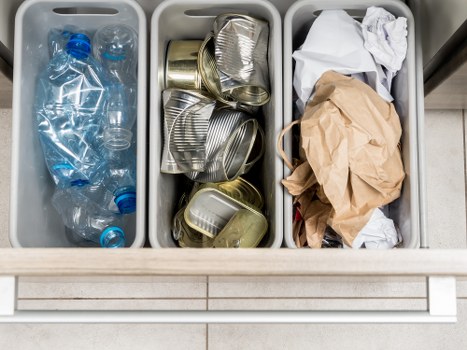
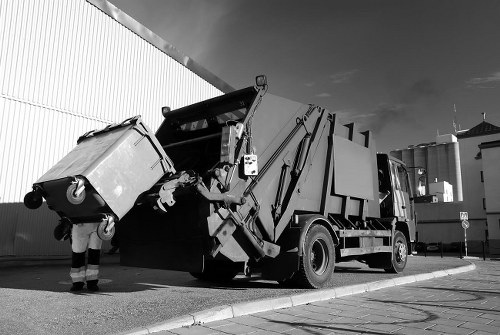 When a concern is raised about bin collection, hazardous disposal, or recycling separation, the initial response will outline the scope of the investigation and provide an estimated resolution timeframe. For matters concerning statutory obligations, the case handler will consult relevant operational teams and, where necessary, notify regulators. The complaints log will capture dates, actions taken, outcomes and any remedial measures. Customers are informed about how their issue progressed and the final decision.
How Complaints Are Assessed
Complaints are assessed on receipt and classified according to severity and potential impact on business operations and the environment. Priority is given to issues that pose a health and safety risk or potential legal non-compliance. For less urgent matters, a standard investigation will be conducted within the defined service level timescales for rubbish collection and waste contract management. The assessment stage includes a review of service records, scheduling logs, invoice histories and any available CCTV or vehicle telemetry data related to the matter.
 The investigation stage may involve interviews with drivers, site operatives and client representatives, inspection of the affected area and technical review of waste documentation. Findings are collated in an investigation report that records root causes and recommended corrective actions. Where operational errors are identified, remedial actions might include retraining, route adjustments, improved signage for waste streams or changes to collection frequency for particular commercial properties.
At the conclusion of the investigation the complainant receives a written outcome. If the complaint is upheld a proposed resolution is offered; this may include operational changes, a formal apology, or proportional redress where appropriate. If the complaint is not upheld, the reasons for the decision and the evidence considered are explained. Transparency is central to the process and both outcomes and lessons learned are used to refine refuse collection and commercial waste practices.
Escalation and Further Review
For complex matters or where the complainant remains dissatisfied, an internal escalation path is available. Escalation triggers a secondary review by a senior manager who was not involved in the original investigation. This is intended to provide an independent reassessment of decisions made and to ensure consistency across the rubbish removal service area. The secondary review will be completed within a defined additional period and will consider any new evidence presented.
 The final stage of internal review focuses on ensuring organisational learning. If systemic weaknesses are identified, an action plan is created with timelines and assigned responsibility for improvements to the commercial waste service. Periodic audits and monitoring are used to verify that changes have been implemented effectively and that the risk of recurrence is reduced.
 Complaints handling follows a principle of continuous improvement: logs are reviewed to spot trends and to drive service enhancements for business waste removal operations. A complaints register is maintained and contributes to performance reporting, contract reviews and environmental compliance checks. The process supports fair treatment of all commercial clients and aims to sustain reliable rubbish removal, clinical or hazardous waste management and sustainable recycling practices across the operational area.
- Recording: Every complaint is documented and assigned a unique reference.
- Timelines: Acknowledgement within a specific period; investigation completed within agreed service limits.
- Escalation: Senior review available where required.
- Confidentiality: Information is handled in line with data protection obligations.
- Remedy: Appropriate corrective action, including operational changes or redress where applicable.
This complaints procedure applies to all commercial customers using the business waste collection and rubbish removal services within the stated service region. It is designed to be practical, impartial and compliant with relevant waste management regulations. The organisation encourages clients to bring concerns forward so that issues can be resolved and services improved, while ensuring that contractual and statutory responsibilities continue to be met. For legal clarity, this procedure does not limit any statutory rights available to businesses and is intended to complement applicable regulatory frameworks.
Note: This document outlines internal processes and timelines; it is intended as a formal policy statement and operational guide for complaint resolution within commercial waste and rubbish collection services. It excludes operational contact details and specific case-level data to preserve confidentiality and compliance with privacy standards.
