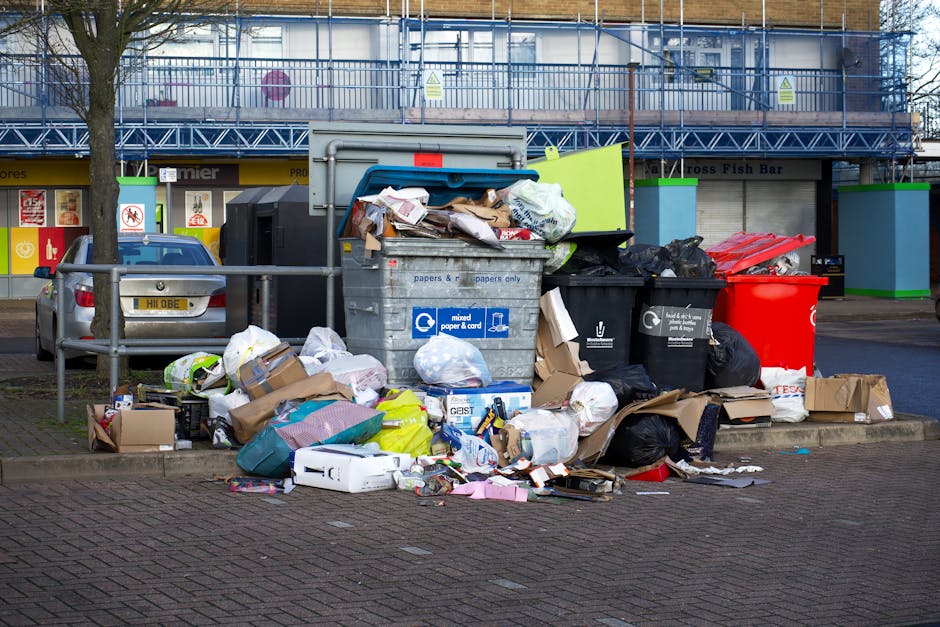
Dartmouth Park Road rubbish removal local guide
If you are dealing with a pile of broken furniture, bagged-up junk, builders' offcuts, or a garage that has quietly become a no-go zone, this Dartmouth Park Road rubbish removal local guide is for you. The area has its own rhythm: narrow streets, parking that can be awkward at the best of times, and homes where access can make waste clearance a bit more complicated than it looks on paper. So let's make it simple. You will find out what rubbish removal involves, how the process usually works, what to check before booking, and how to avoid the common headaches that waste a surprising amount of time and money.
Truth be told, rubbish removal is one of those jobs people put off until the clutter starts affecting daily life. Then suddenly the hallway is narrower, the spare room is unusable, and the awkward pile by the front door has become part of the furniture. This guide is built to help you move from "I'll sort it later" to an actual plan that feels manageable.
For readers comparing services, it also helps to understand the broader choices available, from full property clearances to targeted collection of a few bulky items. If you want to explore a service overview while you read, you can also look at waste removal, house clearance, or furniture clearance depending on what you are trying to shift.
Table of Contents
- Why Dartmouth Park Road rubbish removal matters
- How rubbish removal works in practice
- Key benefits and practical advantages
- Who this is for and when it makes sense
- Step-by-step guidance
- Expert tips for better results
- Common mistakes to avoid
- Tools, resources and recommendations
- Law, compliance, standards, and best practice
- Options, methods, and comparison
- Case study or real-world example
- Practical checklist
- Conclusion
- Frequently asked questions
Why Dartmouth Park Road rubbish removal local guide Matters
Dartmouth Park Road sits in a part of London where access, timing, and neighbour awareness matter. That sounds obvious, but in real life it changes how rubbish removal gets planned. A quick pickup on a wide suburban road is one thing; a clearance in a terrace, flat, or property with limited frontage is another. You need to think about where the waste will be carried from, whether items need dismantling, and how long the loader or collection team will need on-site.
It also matters because waste builds up in ways that are easy to ignore. A few cardboard boxes become a stack. One old wardrobe becomes two. A broken freezer waits in the corner because nobody wants to deal with it. Then a whole job is created out of small delays. Happens all the time, honestly.
A local guide is useful because it focuses on the practical realities of the street, not just the theory of rubbish disposal. That means looking at access, parking, collection timing, and the kind of waste common in homes and small businesses around the area. If you need a more specific collection type, it may also help to compare flat clearance, garage clearance, and office clearance so you do not overbuy or underbook the wrong service.
Expert summary: the best rubbish removal plan is usually the one that matches the access, volume, and type of waste first, and the headline price second. That order saves a lot of grief.
How Dartmouth Park Road rubbish removal local guide Works
Most rubbish removal services follow a straightforward pattern, even if the details differ. You describe what needs removing, share rough photos if possible, and get a quote based on volume, item type, labour, and any special handling. Then the team collects, loads, and transports the waste for sorting, reuse, recycling, or disposal.
The real-world version is slightly messier. If the pile is tucked down a narrow passage, if items are in an attic, or if a sofa has to be carried down tight stairs, the team may need extra time or more than one person. That is normal. Good quotes reflect that reality rather than pretending it does not exist.
For many households and small businesses, the process includes these stages:
- Initial enquiry with a description of the waste.
- Photo review or on-site assessment where needed.
- Quote based on weight, volume, labour, and access.
- Collection at an agreed time window.
- Loading, sorting, and removal from the property.
- Responsible disposal, recycling, or specialist handling.
Some jobs are simple, such as a few bags, a mattress, or an old fridge. Others are more involved, like a loft clear-out or post-renovation builders' waste. If you are unsure which type your job fits, the service pages for loft clearance, builders waste clearance, and fridge and appliance removal can help you narrow it down.
One thing people often overlook: removal is not just about taking things away. It is also about sorting what can be reused, what must be recycled, and what requires special handling. That distinction matters more than most people expect.
Key Benefits and Practical Advantages
The biggest benefit is obvious: you get your space back. But there are a few more practical advantages that make rubbish removal worth considering, especially in a busy local area.
- Speed: an organised collection can clear a job far faster than piecemeal DIY trips.
- Less stress: no need to borrow a van, find parking, or spend your Saturday at the tip.
- Safer lifting: bulky items and heavy sacks are easier and safer when handled by people used to the job.
- Better sorting: recyclables, reusable items, and specialist waste can be separated properly.
- Cleaner finish: once the waste is gone, the area can actually be used again. Simple, but underrated.
There is also a quiet emotional benefit. A cleared room feels different. It sounds different too; less echo, less clutter shifting underfoot, less visual noise. That matters if you are preparing for guests, starting renovations, moving out, or just trying to breathe a bit easier at home.
For business owners, the practical gain is even clearer. Clearing clutter can help maintain a tidy frontage, improve storage use, and keep staff from navigating piles that slow work down. If you are running a workplace, business waste removal and confidential shredding may be more appropriate than a one-off domestic-style collection.
Who This Is For and When It Makes Sense
This guide is useful for a wide mix of people. You do not need a huge clearance to benefit from it. In fact, smaller jobs are often where planning makes the biggest difference.
- Homeowners clearing a loft, basement, garage, or spare room.
- Tenants moving out and needing a fast end-of-tenancy clear-up.
- Landlords dealing with leftover furniture or abandoned items.
- Small businesses replacing office furniture or removing packaging waste.
- Tradespeople finishing refurbishments and needing builders' debris collected.
- Anyone with bulky items that are awkward to move alone.
It also makes sense if you are facing a mixed load rather than one simple item. For example, a mattress, a couple of broken chairs, and a pile of flat-pack packaging can be handled together more efficiently than separately. Same with old shelving, boxes, and leftover fittings after a room refit. The job is often easier once everything is seen as one clear-out, not a dozen mini-jobs.
If your waste is mostly outdoor or green waste, you may be better suited to garden clearance. And if it is mostly furniture, the dedicated mattress and sofa disposal or furniture disposal routes can be more cost-effective. Choosing the right category is one of those small decisions that pays off.
Step-by-Step Guidance
If you want a smooth collection on or near Dartmouth Park Road, the process is easier when you approach it methodically. Not glamorous. Just effective.
1. Sort the waste by type
Separate general household rubbish, furniture, electricals, garden waste, metal, cardboard, and anything potentially hazardous. Do not mix items blindly if you can avoid it. Mixed loads can still be collected, of course, but a little sorting helps with pricing and disposal planning.
2. Check for special items
Fridges, freezers, paint, chemicals, solvents, and some construction materials may need specialist handling. If you have anything suspiciously heavy, sealed, leaking, or sharp, set it aside and mention it early. That is not a detail to leave until the van arrives.
3. Measure the volume roughly
You do not need engineering precision. A rough count of bin bags, mattress-sized items, or how much of a room the waste occupies is usually enough for an initial estimate. Photos help a lot. A few clear pictures taken in daylight are better than ten blurry ones taken in a hurry at night.
4. Think about access
Ask yourself: can the waste be brought out easily, or will it need moving through stairs, narrow hallways, side passages, or shared entrances? Access affects labour and timing. It is better to be plain about this than to underdescribe it and then feel awkward later.
5. Compare the right service type
Choose a service that matches the job. A small mixed-load clearance is different from a full home clear-out. If you are unsure, compare the service pages for home clearance, house clearance, and garage clearance.
6. Confirm timing and any restrictions
Check whether the crew needs access to a parking space, whether there are time limits, and whether the job must happen inside a certain window. In London, this can make a genuine difference. A good plan is one that respects the street as it is, not as you wish it were.
7. Clear the route before collection
If possible, move loose items from hallways, unlock gates, and make a clear path to the waste. That small prep can save a surprising amount of time. And yes, it also reduces the chance of one unfortunate bump into the wall.
8. Ask how the waste will be handled
Responsible operators should be able to explain what happens after collection in plain English: what is recycled, what is reused, and how specialist items are treated. If the answer is vague, that is a little warning light. Not always a deal-breaker, but worth noticing.
Expert Tips for Better Results
A few practical habits can make rubbish removal much smoother. Nothing fancy. Just the kind of detail that saves you from avoidable problems.
- Take photos in daylight. Dark hallway pictures make waste look smaller and less defined. Daylight is your friend.
- Be honest about access. If a sofa needs two flights of stairs and a tight corner, say so.
- Bundle similar items together. It helps the crew work faster and helps you see what is actually being removed.
- Keep hazardous items separate. Never mix them with normal household rubbish unless you have been told it is safe and accepted.
- Plan around neighbours. In a dense residential street, a considerate timing choice can avoid tension you do not need.
- Use a proper checklist. A five-minute check before the crew arrives is worth more than a rushed hour after they do.
Here is a useful little rule of thumb: if you are hesitating over whether to mention something, mention it. That odd old heater in the corner, the damp boxes in the shed, the broken tiles in the bag at the back. Better to over-explain once than discover a surprise at the kerb. Nobody loves surprises in waste clearance. Well, maybe on birthdays. Not here.
Another tip: if the job involves both clearance and cleaning, make sure the sequence is clear. Remove first, clean second. It sounds obvious, but people do get this backwards.
Common Mistakes to Avoid
Most rubbish removal problems come from a handful of avoidable mistakes. The good news? They are easy to dodge once you know what to watch for.
- Underestimating volume: what looks like "a few bags" can turn into a full van load once gathered properly.
- Forgetting access issues: tight stairwells, parking restrictions, and side gates can change the job significantly.
- Mixing special waste with general waste: this can delay collection or create disposal issues.
- Leaving everything until the day itself: last-minute sorting makes the whole thing slower and more expensive.
- Not checking item types: appliances, mattresses, and certain materials may need separate handling.
- Choosing only on price: the cheapest quote is not always the best value if it excludes labour, disposal type, or awkward access.
Another common one is assuming all waste can go in the same pile. It cannot, at least not always. A room full of "junk" might actually contain several streams of waste that need different treatment. That is normal, by the way. It just needs a bit of attention.
Tools, Resources and Recommendations
You do not need much to organise a good clearance, but the right tools help. A few household basics can make the process less chaotic.
- Strong bin bags: for smaller loose waste, soft furnishings, and mixed household items.
- Box cutter or basic hand tools: useful for dismantling small furniture or breaking down packaging.
- Work gloves: sensible for handling rough, dusty, or sharp materials.
- Labels or marker pens: handy if you are separating reusable, recyclable, and general waste.
- Phone camera: take clear pictures before booking, especially for mixed or bulky loads.
From a service perspective, it can help to review the provider's information pages before you book. For example, if the job involves fridge units, mattresses, or office content, the pages for fridge and appliance removal, mattress and sofa disposal, and office clearance give a better sense of what those jobs usually include.
For pricing questions, a proper quote page is useful because it helps you understand how volume, labour, and item type are usually combined. You can review pricing and quotes alongside any collection plan you are considering. That keeps expectations realistic, which is always a good thing.
Law, Compliance, Standards, or Best Practice
Waste disposal in the UK is not just about convenience. There are legal and practical responsibilities around where rubbish ends up and who handles it. You do not need to memorise legislation to make a sensible choice, but you should know the basics.
As a customer, the safest approach is to use a provider that can explain how waste is managed responsibly, including sorting, recycling, and disposal routes. If a company is overly casual about where material goes, that is not a small detail. It is the sort of thing that can create problems later.
For certain waste streams, special care matters even more. Hazardous materials, electrical items, confidential paperwork, and some construction waste may require separate procedures. If your waste includes anything sensitive or potentially harmful, ask early. Better safe than sorry, and that is not just a saying.
Good practice usually includes the following:
- Keeping hazardous waste separate from general waste.
- Making sure electrical items are handled appropriately.
- Using suitable lifting and loading methods to reduce injury risk.
- Checking that the service can manage the specific type of waste you have.
- Choosing providers that follow clear health and safety processes.
If health and safety documentation matters to you, it is worth reading more about health and safety policy and insurance and safety. For sustainability-minded readers, recycling and sustainability is a useful page to review as well.
One gentle reminder: if you are unsure whether something is allowed in a normal rubbish load, do not guess. Ask. That one question can save a much larger headache.
Options, Methods, or Comparison Table
Different waste problems call for different methods. Here is a simple comparison to help you choose the most sensible route.
| Option | Best for | Pros | Watch outs |
|---|---|---|---|
| Single-item collection | One bulky object, such as a sofa, mattress, or appliance | Quick, simple, usually efficient | Less suitable for mixed waste or larger jobs |
| Mixed rubbish removal | General household clutter, bags, packaging, and odd items | Flexible and practical | Needs accurate description of the load |
| Room or property clearance | Loft, garage, flat, house, or office contents | Good for larger decluttering tasks | May require more time, labour, and planning |
| Specialist waste handling | Fridges, hazardous waste, confidential paper, or awkward materials | Better compliance and safer handling | Must be declared in advance |
| DIY disposal | Small, manageable loads with easy transport | Can work for simple jobs | Time-consuming, parking, lifting, and multiple trips |
For some readers, a skip may seem like the natural alternative. In other situations, a van-based collection is easier. If you are weighing that up, what can go in a skip gives a helpful reference point, especially if your waste includes mixed materials.
My honest view? If the waste is already stacked, sorted, and easy to reach, a straightforward pickup is often the least painful route. If the job is bigger, messier, or spread through the property, a full clearance starts to make much more sense.
Case Study or Real-World Example
Here is a realistic example, not a fairy tale. A resident in a flat near Dartmouth Park Road has finished redecorating a bedroom and suddenly has old carpet rolls, a broken bedside cabinet, a mattress, several bags of packaging, and a pile of dismantled shelving. At first, it looks like "just a few items." Then the hallway fills up and the job feels larger than expected.
They take a handful of daytime photos, measure the rough amount of waste, and note that everything must come down one narrow stairwell. The clearance is booked as a mixed domestic load rather than a single-item pickup. The team arrives with the right tools, removes the bulky bits first, bundles the lighter waste, and clears the route without leaving the place looking battered. No drama, no guesswork.
What made the difference? Three things: accurate description, honest access details, and choosing the right service category from the start. Nothing flashy. Just sensible planning.
That kind of job is common around London properties where access matters. A room can look almost clear, then the last two items are the ones that need the most effort. Classic.
Practical Checklist
Use this checklist before you book or on the day of collection. It keeps things tidy and helps you avoid the little mistakes that turn into big delays.
- Identify the type of waste: general, bulky, electrical, garden, builders' debris, or specialist items.
- Separate anything hazardous or confidential.
- Take clear photos of the load.
- Estimate volume honestly, even if it is only rough.
- Check stairs, gates, lifts, and parking access.
- Confirm whether items need dismantling.
- Move smaller items into one easy-to-reach area if possible.
- Ask how the waste will be sorted or recycled.
- Review pricing and quote details before agreeing.
- Make sure the route is clear on collection day.
If you are dealing with items that feel particularly awkward, such as broken furniture, white goods, or mixed household clutter, it is worth comparing the relevant options before you commit. The right fit usually becomes obvious once you look at the waste honestly rather than vaguely. That sounds simple because it is.
Get a free quote today and see how much you can save.
Conclusion
A good Dartmouth Park Road rubbish removal plan is not complicated, but it does reward a bit of care. The best results usually come from understanding the type of waste, being honest about access, and choosing the service that fits the real job in front of you. Do that, and the whole thing becomes much easier than people expect.
Whether you are clearing a single bulky item, a cluttered flat, a garage full of odds and ends, or a small business load that has grown legs, the same principles apply: describe the waste clearly, plan for the space you actually have, and use a provider that treats sorting and disposal properly. Simple enough. Not always glamorous, but very workable.
And once the job is done, there is a real feeling of relief. The room looks bigger, the air feels lighter, and you can finally get on with the next thing. Nice, isn't it?
Frequently Asked Questions
What does rubbish removal on Dartmouth Park Road usually include?
It usually includes collection, lifting, loading, transport, and disposal or recycling of unwanted waste. Depending on the job, that might mean mixed household rubbish, furniture, appliances, garden waste, or builders' debris.
How do I know if I need a clearance service or just a single-item pickup?
If you only have one large item, a simple pickup may be enough. If you have several bags, mixed clutter, or waste spread through a room or property, a clearance service is usually the better fit.
Can I get rubbish removed from a flat with stairs or limited access?
Yes, but you should tell the provider in advance. Access details affect labour and timing, so things like narrow stairwells, shared hallways, and parking restrictions need to be mentioned early.
What should I do with fridges, freezers, or other appliances?
Appliances often need specific handling, especially if they are large or contain materials that require special disposal. Mention them clearly when booking so they are treated properly.
Is it better to sort waste before collection?
Usually, yes. Sorting helps with quoting, loading, and responsible disposal. You do not need perfection, but separating obvious categories can make the whole job smoother.
How far in advance should I book rubbish removal?
It depends on urgency and job size. Smaller jobs may be arranged quickly, while larger or more complex clearances may need more lead time. If timing is tight, say so straight away.
What if I am not sure how much waste I have?
That is common. Photos and rough estimates are usually enough for an initial quote. If the job is borderline, ask whether an on-site assessment is more appropriate.
Can hazardous waste be included in a normal rubbish load?
Not usually. Hazardous items need separate attention, so always declare them first. If you are unsure whether something counts as hazardous, ask before collection.
Will my waste be recycled?
Responsible services aim to sort items for reuse and recycling where possible, but not every material can be recycled. The key is to ask how the waste is handled rather than assuming.
What is the biggest mistake people make with rubbish removal?
The biggest mistake is usually underestimating the job. People describe waste too loosely, forget access issues, or leave special items unmentioned until the last minute. That is when delays and extra costs tend to appear.
Is rubbish removal better than hiring a skip?
It depends on your waste and your space. A skip can work well for certain jobs, but a van-based collection is often easier for tight access, mixed loads, or jobs where you want everything removed at once.
How can I prepare quickly before the team arrives?
Make the waste accessible, clear the route, separate anything hazardous, and confirm what is being removed. Even ten minutes of prep can make a noticeable difference.