Tufnell Park Road Flat Rubbish Pickup and Clearance: A Practical Local Guide
If you are dealing with a packed hallway, an overfull cupboard, or a flat that suddenly needs clearing, Tufnell Park Road flat rubbish pickup and clearance can feel like one of those jobs that grows legs. One bag becomes three. A broken wardrobe somehow turns into a little mountain. And if you live in a flat, the stairs, shared entrances, and timing make everything a bit more awkward. This guide breaks the process down in plain English so you can decide what to remove, what to keep, and how to get the job done without stress.
Whether you are moving out, clearing after tenants, replacing furniture, or just reclaiming space, the right approach saves time, reduces risk, and helps you avoid the usual headaches. Let's get into the details properly.
Why Tufnell Park Road flat rubbish pickup and clearance Matters
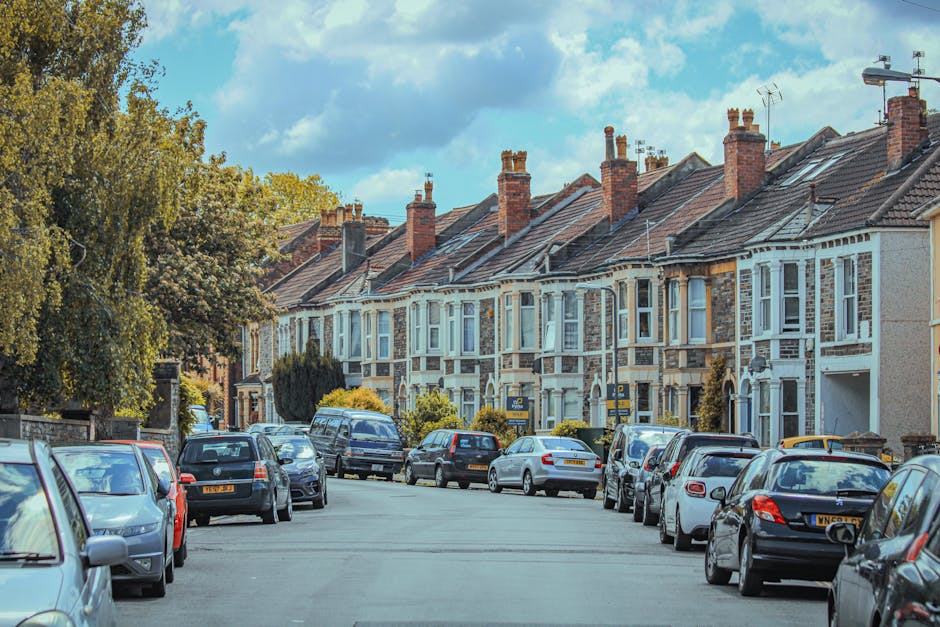
Flat clearance is not just about getting rid of unwanted items. In a London flat, it is also about access, neighbours, shared spaces, disposal rules, and doing things in a way that does not create more problems than it solves. On Tufnell Park Road, where many properties involve stair access, limited parking, and compact entrances, even a small clearance can need more thought than people expect.
That matters because rubbish left too long in a flat can quickly become a nuisance. It clutters rooms, attracts dust, and makes everyday life feel heavier than it should. If you are preparing for a handover, preparing to sell, or simply trying to create breathing room again, a proper pickup and clearance service can make the difference between a chaotic half-day and a clean, finished result.
There is also a trust angle. When rubbish is removed professionally, you know the items are being handled responsibly rather than shifted into the wrong bin, abandoned on a pavement, or dragged through a building in a way that damages walls and floors. That is especially important for items like appliances, mattresses, and mixed waste, which often need different handling. If you want to understand the broader service options behind that, the site's waste removal page is a helpful place to start, and for flats specifically the flat clearance service is the closest fit.
Truth be told, people often wait until the pile becomes embarrassing. No judgement there. It happens. But the sooner you sort it, the less likely you are to end up spending a whole weekend carrying bags down narrow stairs while questioning your life choices.
How Tufnell Park Road flat rubbish pickup and clearance Works
The process is usually simpler than people imagine, though the exact approach depends on the size of the load and the access in your building. In most cases, a flat rubbish pickup begins with identifying what needs removing, estimating how much waste there is, and deciding whether the job is light rubbish, bulky waste, or a more complete flat clearance.
For smaller jobs, it may be enough to gather bagged waste, broken household items, and a few pieces of furniture for collection. For larger jobs, the team may need to remove items from multiple rooms, navigate communal hallways carefully, and load everything in a way that keeps the property safe and tidy.
A good clearance service will normally consider:
- how much waste there is
- what type of materials need removing
- whether anything needs special handling
- how easy it is to reach the flat
- what time the collection can realistically be done
If the clearance includes old furniture, damaged shelving, wardrobes, or broken domestic items, it can be useful to look at related services such as furniture clearance and furniture disposal. For heavy sleep items, mattress and sofa disposal is often relevant too. If there is an old fridge or washing machine sitting in the kitchen, fridge and appliance removal can help prevent the wrong kind of disposal.
The practical reality is this: the smoother the load-out, the less disruption for everyone. That means protecting floors, keeping shared areas clear, and being organised before the team arrives. A decent job should feel calm, not like a scramble.
Key Benefits and Practical Advantages
The most obvious benefit is space. Once the rubbish is gone, a flat suddenly feels bigger, lighter, and easier to use. But the real value goes beyond that. A proper pickup and clearance service can reduce stress, save time, and stop one simple task from eating into your whole week.
Here are the benefits people notice most often:
- Less lifting and carrying - ideal if the stairs are awkward or the items are bulky.
- Faster turnaround - useful if you are moving out, letting the property, or preparing for decorating.
- Cleaner rooms - important when you need to show a flat, stage it, or just live in it properly again.
- Better safety - fewer trip hazards, fewer sharp edges, and less clutter around doorways.
- More responsible disposal - a professional service can sort items for the right route rather than just guessing.
There is also a surprisingly big emotional benefit. Once the waste is gone, the whole place can feel less stuck. People underestimate this, but you notice it straight away. The room sounds different. The air feels different. Even making a cup of tea somehow feels easier when you are not stepping around old boxes.
If you are comparing wider options, it may help to read about home clearance and house clearance as well, because sometimes a flat job overlaps with a fuller property clear-out. That is common, especially after a move or tenancy change.
Who This Is For and When It Makes Sense
This service suits a lot more people than you might think. It is not only for dramatic clear-outs or end-of-tenancy emergencies. In everyday life, flat rubbish pickup and clearance is often the sensible option when you have more waste than a normal bin collection can handle, or when bulky items simply will not fit in a lift, stairwell, or domestic bin store.
It makes sense if you are:
- moving out of a flat and need it emptied quickly
- clearing a rental before new tenants move in
- replacing furniture after a long delay
- getting rid of broken appliances or mattresses
- sorting clutter after a renovation or decorating project
- helping a family member downsize
- dealing with a flat that has been lived in heavily and needs a reset
A real-world example: a one-bedroom flat can look manageable at first glance, then you start collecting items from a wardrobe, a kitchen cupboard, the airing cupboard, and that corner behind the sofa. Suddenly there is more waste than expected. That is normal. It is why people often choose a service rather than trying to clear it all themselves in one go.
For business or landlord-related situations, it may also be worth looking at business waste removal if the load includes office-style materials, records, packaging, or items from a workspace. And if you are dealing with documents that should not just go in the general rubbish, confidential shredding is a sensible extra consideration.
Step-by-Step Guidance
If you want the process to go smoothly, a little preparation helps a lot. Nothing wild. Just a tidy plan, a clear path, and a quick decision on what stays and what goes. Here is the simplest way to approach it.
- Walk through the flat room by room. Make a rough list of rubbish, furniture, appliances, and any items you are unsure about.
- Separate normal rubbish from bulky waste. Bags, boxes, and loose bits are one thing; wardrobes, sofas, and fridges are another.
- Put aside anything private or valuable. It sounds obvious, but it is easy to forget a box drawer full of documents or a bag with keys in it.
- Check access points. Think about stairs, tight corners, lift size, parking, and whether there are any building rules for loading.
- Take quick photos if you are booking a quote. This helps give a clearer picture and avoids surprises later.
- Group items sensibly. Keep breakables away from heavy waste and put lighter items where they are easy to reach.
- Confirm what needs special handling. Fridges, mattresses, sharp materials, and any suspect waste should be flagged early.
- Book the clearance and keep the route clear. That means hallways, front doors, and any shared entrance should be ready.
One small but important tip: if the waste is spread across the flat, gather it before the team arrives. Even ten minutes of pre-sorting can save a lot of time on the day. You will feel it immediately.
If you want to compare other clearance types while planning, the loft clearance and garage clearance pages show how different spaces often need slightly different preparation. Same general idea, different headaches.
Expert Tips for Better Results
Here is where a bit of experience pays off. Flat clearances are usually easy enough on paper, but the small details make all the difference in real life.
- Keep an eye on access width. Measure awkward furniture before the day if you suspect it will scrape a doorway or stair turn.
- Use bags that will not split. Cheap bin bags can fail at exactly the wrong moment. Nobody wants that halfway down the stairs, honestly.
- Label anything to keep. A simple sticky note or marker pen can prevent accidental removal.
- Group heavy items near the exit where possible. Less carrying equals less risk.
- Do not mix wet and dry waste. Wet waste makes everything messier, heavier, and harder to sort.
- Keep a small clear zone. A little patch of floor for checking items makes the whole job calmer.
And yes, it helps to be decisive. Half-clearing a flat is exhausting because you keep revisiting the same "maybe keep it?" pile. If something has not been used in ages and has no clear purpose, that is usually your answer. Not always, but usually.
For items that need careful handling, you may find it useful to review hazardous waste disposal and the site's recycling and sustainability guidance. It is better to flag awkward materials early than to sort it all out at the kerbside.
Common Mistakes to Avoid
Most flat clearances go well, but a few predictable mistakes cause trouble. They are easy to avoid once you know what to look for.
- Leaving sorting until the last minute. This creates confusion and slows everything down.
- Forgetting access details. A van may not be able to stop right outside the door, especially on busy roads.
- Assuming every item can be treated the same. Appliances, sharp waste, and bulky furniture often need different handling.
- Underestimating volume. Small flats can generate a surprising amount of waste once cupboards are opened.
- Not protecting communal areas. Shared halls and stairs can be damaged if items are dragged carelessly.
Another common slip is assuming the cheapest option is automatically the best. Sometimes it is, but sometimes "cheap" means no proper planning, no clear sorting, or a rough handover that leaves you doing the awkward bits anyway. Not ideal.
If you want pricing clarity before booking, the pricing and quotes page is a useful reference point. And if you prefer to organise things online in one go, the book online option may suit you better.
Tools, Resources and Recommendations
You do not need specialist kit to prepare for a flat clearance, but a few basic tools make life easier. Keep it simple and practical.
| Item | Why it helps | Best used for |
|---|---|---|
| Strong sacks or heavy-duty bags | Reduce tearing and spillage | Loose rubbish, soft items, general clutter |
| Marker pen or labels | Separates keepers from waste | Moves, shared flats, mixed rooms |
| Gloves | Better grip and basic hand protection | Dusty cupboards, broken items, rough edges |
| Measuring tape | Checks awkward furniture and access points | Sofas, wardrobes, tight staircases |
| Phone camera | Useful for quotes and planning | Before-and-after records, layout photos |
For items that are too large or awkward for a standard bagged collection, furniture and appliance services can be the right match. That includes mattress and sofa disposal as well as fridge and appliance removal. If you are clearing a whole property rather than a single room, house clearance and home clearance may be a better fit.
Practical summary: the best flat rubbish pickup jobs are the ones where access is planned, items are sorted in advance, and the service matches the type of waste. That sounds simple because it is simple - once you break it down properly.
Law, Compliance, Standards, or Best Practice
Any rubbish pickup or clearance job should be handled responsibly. In the UK, that generally means making sure waste is collected, transported, and disposed of in line with accepted environmental and safety practice. You do not need to become a waste expert yourself, but you should expect a provider to act carefully and sensibly.
Good practice usually includes the following:
- items are removed without causing avoidable damage to the property
- the collection is organised so waste is not left in communal areas
- special items are separated rather than mixed blindly with general rubbish
- safety is considered during lifting, carrying, and loading
- the process is transparent enough for you to understand what is happening
If you have any uncertainty about potentially sensitive or difficult material, do not guess. Ask first. That is especially true for items that could be hazardous, sharp, electrical, or otherwise awkward. The site's health and safety policy and insurance and safety pages are relevant reassurance points if you want to understand the approach behind a professional clearance.
For those clearing items with extra privacy concerns, such as old paperwork or office equipment from a home workspace, confidential shredding can help reduce risk. Small detail, big peace of mind.
It is also worth remembering that some items should not be treated as ordinary household rubbish. If something feels borderline, pause and check. Better a quick question than an expensive mistake.
Options, Methods, or Comparison Table
There are usually three main ways people handle a flat rubbish pickup in practice: doing it themselves, using a mixed waste collection, or booking a fuller clearance service. Each has a place.
| Option | Best for | Pros | Watch out for |
|---|---|---|---|
| DIY rubbish run | Very small loads and simple items | Can be cheap if you already have transport | Time, lifting, parking, multiple trips |
| Targeted pickup | Mixed bags, a few bulky items, moderate clutter | Convenient and usually quicker | Needs clear access and accurate volume estimate |
| Full flat clearance | End-of-tenancy, moves, large clear-outs, emptying several rooms | Most comprehensive and least stressful | May require more planning up front |
If you are unsure which route suits your situation, think about the number of rooms, the size of the items, and how much lifting is involved. For a single sofa and a few bags, a targeted pickup may be enough. For a flat that needs to be stripped back and left tidy, a more complete clearance is usually the better call.
For people comparing similar jobs across a property, builders waste clearance is relevant when the clutter includes renovation debris, while office clearance is a better fit for workspace materials. Different jobs, same principle: match the service to the waste, not just the postcode.
Case Study or Real-World Example
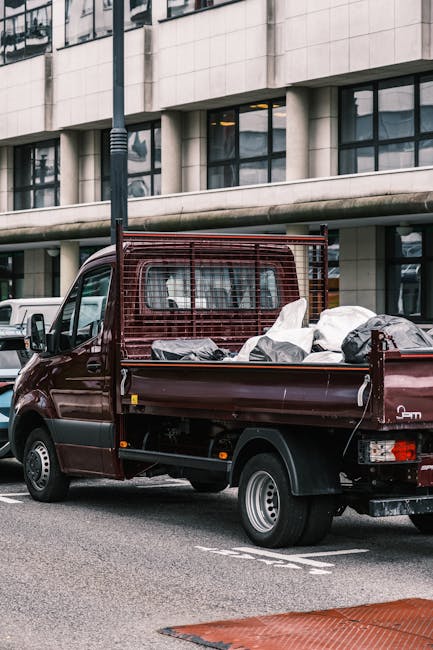
A typical Tufnell Park Road flat pickup might involve a one-bedroom property with a mix of bagged rubbish, an old wardrobe, a mattress, and a fridge that has been sitting in the kitchen for months. The resident may think it is a "small" job. In reality, once the wardrobe is emptied and the hallway is measured, the job becomes more like a careful mini-clearance than a simple bin collection.
In a case like that, the best route is often to sort the items by type before collection day. The wardrobe is dismantled if needed, the mattress is kept accessible, the fridge is flagged separately, and the general rubbish is bagged so it can be moved quickly. That means less time carrying items through the flat and less chance of scuffing the walls or knocking a picture frame off the hall table. It sounds minor, but these are the details that make the job feel smooth.
What people usually say afterwards is not "that was complicated." It is more often, "I should have done that ages ago." There's a lesson in that, really. Delayed clutter is heavy in a way that is not just physical. Once it goes, the flat tends to breathe again.
Practical Checklist
Use this before your pickup or clearance day. It is simple, but it works.
- Have I separated keep, donate, and remove piles?
- Are bags sealed and strong enough to carry?
- Have I identified any bulky furniture or appliances?
- Do I know which items need special handling?
- Is the access route clear from the flat to the exit?
- Have I checked if parking or timing is a concern?
- Are fragile items protected and out of the way?
- Do I know whether this is a simple pickup or a fuller clearance?
- Have I reviewed pricing and service details in advance?
- Is the flat ready enough that the crew can work without delay?
If most of those answers are yes, you are in good shape. If not, no panic. A little prep now will make the day much easier.
Get a free quote today and see how much you can save.
Conclusion
Tufnell Park Road flat rubbish pickup and clearance is really about making a crowded or awkward living space workable again. When it is done properly, you get your time back, your space back, and a bit of calm back too. That matters more than people sometimes admit.
The best results come from matching the service to the waste, planning access carefully, and handling special items properly from the start. If your flat is full of mixed rubbish, old furniture, or bulky items that are hard to move, there is no shame in choosing the easier route. In fact, that is usually the smart route.
And once the last bag is gone and the floor is clear, you will notice something small but important: the flat feels like yours again. That is the real win.
Frequently Asked Questions
What does Tufnell Park Road flat rubbish pickup and clearance usually include?
It usually includes the removal of general rubbish, bagged waste, bulky items, and sometimes furniture or appliances from a flat. The exact scope depends on what you need taken away and how much access there is.
Is flat clearance different from general waste removal?
Yes, usually. Flat clearance is more focused on access, stairs, shared spaces, and clearing items from inside a residential flat. General waste removal can be broader and may suit mixed rubbish or one-off pickups.
Can bulky items like sofas and mattresses be taken away?
Yes, they often can. Sofas and mattresses are common clearance items, but they are better handled as specific bulky waste rather than being mixed in with loose rubbish.
What should I do before the pickup day?
Sort what is staying and what is going, bag loose rubbish securely, clear a path to the exit, and set aside any private items. A little preparation makes the whole job easier.
How do I know if I need a full flat clearance or just a rubbish pickup?
If you only have a few bags and one or two bulky items, a pickup may be enough. If multiple rooms need emptying or the flat needs to be left almost clear, a full flat clearance is usually the better choice.
What if the flat is on an upper floor with difficult access?
That is still manageable, but it should be mentioned early. Stair access, narrow hallways, and limited parking all affect planning and timing, so the provider needs to know in advance.
Can old appliances be removed safely?
Yes, provided they are handled properly. Fridges and other appliances can be awkward, so they should be separated and dealt with as appliance removal rather than treated like ordinary household waste.
Is there anything I should not put in with normal rubbish?
Potentially yes. Hazardous, sharp, electrical, or sensitive items may need a different route. If you are unsure, ask before collection rather than guessing.
How long does a flat rubbish pickup take?
That depends on the volume of waste, the type of items, and how easy the access is. A small pickup may be fairly quick, while a fuller clearance can take longer because of sorting and loading.
Will the service damage my walls or floors?
A careful clearance should not. The main aim is to remove waste without causing avoidable damage, which is why clear access and sensible preparation matter so much.
Can I combine furniture removal with a flat rubbish pickup?
Often yes. It is common to remove mixed items in one visit, especially when a flat has rubbish, furniture, and a few household items to clear at the same time.
Where can I learn more before booking?
You can review the site's pages on pricing and quotes, recycling and sustainability, and the main flat clearance service for a clearer picture of what fits your needs.